Ray-Ban Meta Audio and Gen 3 Explained: Aviator, AI Features, Battery Life and What’s New
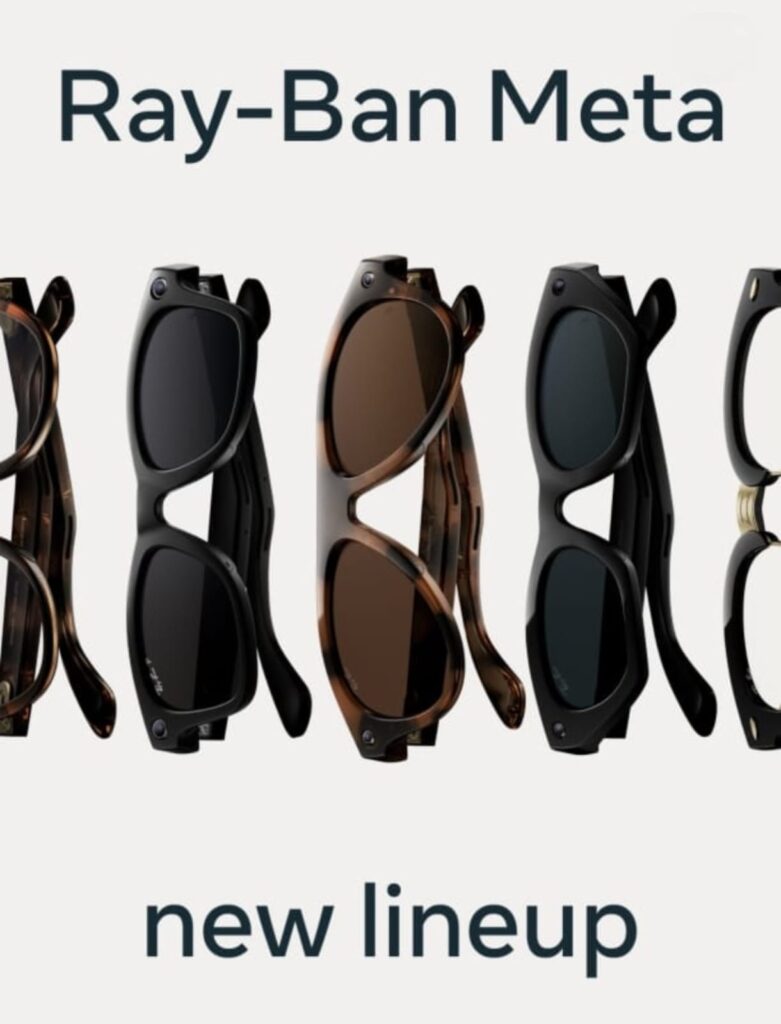
Meta and Ray-Ban have expanded their smart-glasses lineup again with two important additions: Ray-Ban Meta Audio and Ray-Ban Meta (Gen 3).
These products target different users. Ray-Ban Meta Audio removes the camera and focuses on music, calls, and hands-free AI. Gen 3 continues the camera-equipped smart-glasses formula but improves comfort, controls, battery life, and style options.
One of the headline additions is a new Aviator frame, bringing Meta AI to one of Ray-Ban’s most recognizable silhouettes.
Here is what is new and how the models differ.
What Is Ray-Ban Meta Audio?
Ray-Ban Meta Audio is Meta’s first pair of audio-only AI glasses. Instead of centering the experience around a camera, the product combines open-ear audio with Meta AI.
Meta says the glasses are designed for listening to music and podcasts, making calls, and talking to an AI assistant while remaining aware of the environment around you.
Official source: Meta’s Ray-Ban Meta Audio announcement.
Why Remove the Camera?
Camera-equipped smart glasses can be useful, but not everyone wants cameras on their face all day. An audio-only model lowers that psychological barrier while keeping some of the strongest everyday smart-glasses features.
It also makes sense because Meta says audio is already one of the most widely used parts of its existing AI-glasses experience.
For users who mainly want calls, music, voice commands, and AI assistance, an audio-only design may be simpler and more socially comfortable. For the other side of that trade-off, see our Meta smart-glasses privacy explainer.
Ray-Ban Meta Audio Features
The main use cases include:
- music and podcast playback,
- hands-free phone calls,
- voice interaction with Meta AI,
- open-ear listening without traditional earbuds,
- and access to AI assistance while walking or commuting.
Meta describes Audio as its lightest and slimmest AI glasses yet, with a focus on long battery life.
What Is Ray-Ban Meta Gen 3?
Ray-Ban Meta (Gen 3) is the next generation of Meta’s best-selling camera-equipped AI glasses.
According to Meta, Gen 3 has a slimmer and more comfortable design, longer battery life, and a new customizable action button that can provide faster access to Meta AI or other functions.
The update does not completely reinvent Ray-Ban Meta. Instead, it focuses on making the existing formula easier to wear and use every day.
The New Ray-Ban Meta Aviator
One of the biggest style additions is Aviator. Ray-Ban describes the silhouette as one of its most recognizable designs, and Meta is now bringing its AI-glasses hardware into that frame family.
Meta is also introducing a special Aviator version tied to the model’s 90-year history.
That matters because one of the biggest strengths of the Ray-Ban partnership is familiarity. Users are more likely to adopt AI glasses if they look like glasses they already know and want to wear.
Other Gen 3 Styles
The Gen 3 lineup also includes other frame options, including Zena and updated Wayfarer variants in supported markets.
By offering several silhouettes, Meta and Ray-Ban are following the same strategy seen across the broader Meta Glasses portfolio: make AI glasses feel less like one gadget and more like a category of normal eyewear.
Ray-Ban Meta Audio vs Ray-Ban Meta Gen 3
| Feature | Ray-Ban Meta Audio | Ray-Ban Meta Gen 3 |
|---|---|---|
| Main focus | Audio + hands-free AI | Camera + AI + audio |
| Camera | No | Yes |
| Best for | Calls, music, podcasts, voice AI | Capturing content plus AI assistance |
| Design priority | Lightest, slimmest AI glasses | Slimmer and more comfortable than earlier generations |
| AI access | Meta AI hands-free | Meta AI with customizable action button |
Where Muse Fits In
Meta is also bringing its personal AI agent Muse to its AI-glasses ecosystem. That matters because it could make the glasses more proactive over time.
Instead of only answering questions, a personal agent could eventually help coordinate tasks, keep track of plans, and interact with connected services.
We explored that larger strategy in our article on Meta Muse and the post-smartphone AI layer.
Why Ray-Ban Meta Audio Could Be Important
Audio-only glasses may look less exciting on paper than a product with cameras or a display, but they could be easier to adopt at scale.
They remove several barriers at once: no visible screen, no need to hold a phone, and no camera pointed at other people. That leaves a product that behaves more like a normal pair of glasses with invisible earbuds and an AI assistant built in.
If wearable AI becomes mainstream, that simpler form factor could be important.
Final Take
Ray-Ban Meta Audio and Gen 3 show two different paths for AI glasses. Audio aims for simplicity, comfort, and ambient AI. Gen 3 continues the richer smart-glasses experience with cameras, improved controls, and more styles.
The addition of Aviator is also strategically important because it brings AI into one of the most familiar eyewear designs in the world.
Together, these products show Meta’s broader strategy: instead of betting on one “perfect” pair of AI glasses, it is building a portfolio for different people, styles, and use cases.